

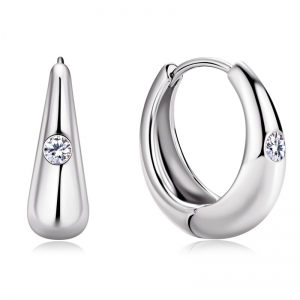
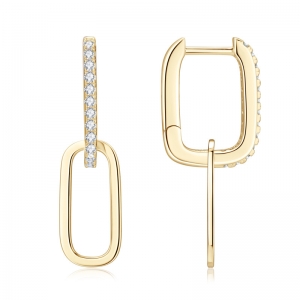
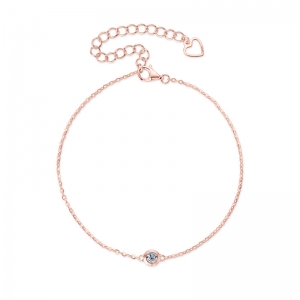
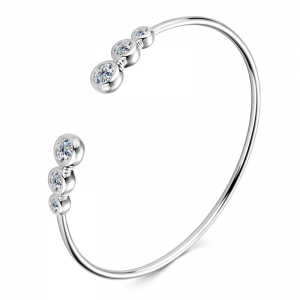
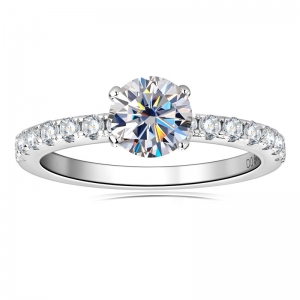
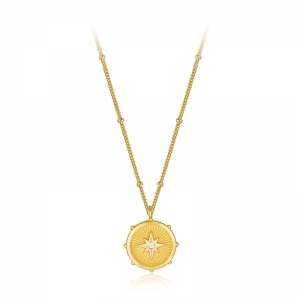
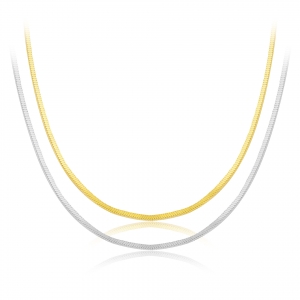
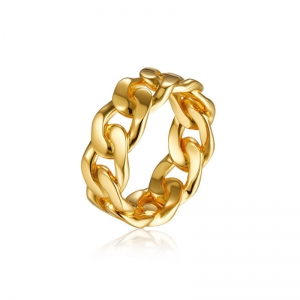
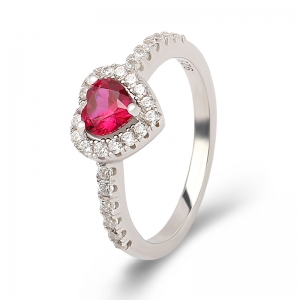
Both 304 and 316L stainless steel are reliable materials for jewelry manufacturing. The best choice depends on product positioning, target market, and customer requirements. For many OEM projects serving Europe and North America, 316L stainless steel is commonly selected for its corrosion resistance, smooth polishing performance, and compatibility with Vacuum PVD coating.
|
Item |
304 Stainless Steel |
316L Stainless Steel |
|
Corrosion Resistance |
Good |
Excellent |
|
Surface Finish |
Good |
Excellent |
|
PVD Compatibility |
Good |
Excellent |
|
Typical Application |
Fashion Jewelry |
Premium OEM Jewelry |
316L contains molybdenum, providing enhanced corrosion resistance and a stable surface for high-quality polishing and Vacuum PVD coating.
Key benefits include:
l Low nickel release when manufactured to REACH requirements
l Compatible with 0.3–0.5 μm Vacuum PVD coating
l Suitable for premium polishing and mirror finishes
l Widely used for OEM and private label jewelry
All our stainless steel jewelry complies with EU REACH, US California Proposition 65 (CA65), and RoHS standards. Our factory has also passed the BV-conducted SMETA ethical audit, ensuring standardized production for global OEM customers.
Production process: CAD Design → Lost-wax Casting → Precision Polishing → Vacuum PVD Coating → Quality Inspection → Export
Typical MOQ: 100–300 pieces per SKU, depending on design complexity.
l 304 Stainless Steel: Fashion jewelry and versatile wholesale collections
l 304 or 316L Stainless Steel: OEM and wholesale programs based on project requirements
l 316L Stainless Steel + Vacuum PVD: Private label brands and EU/US export collections



 Acceso
 Registro